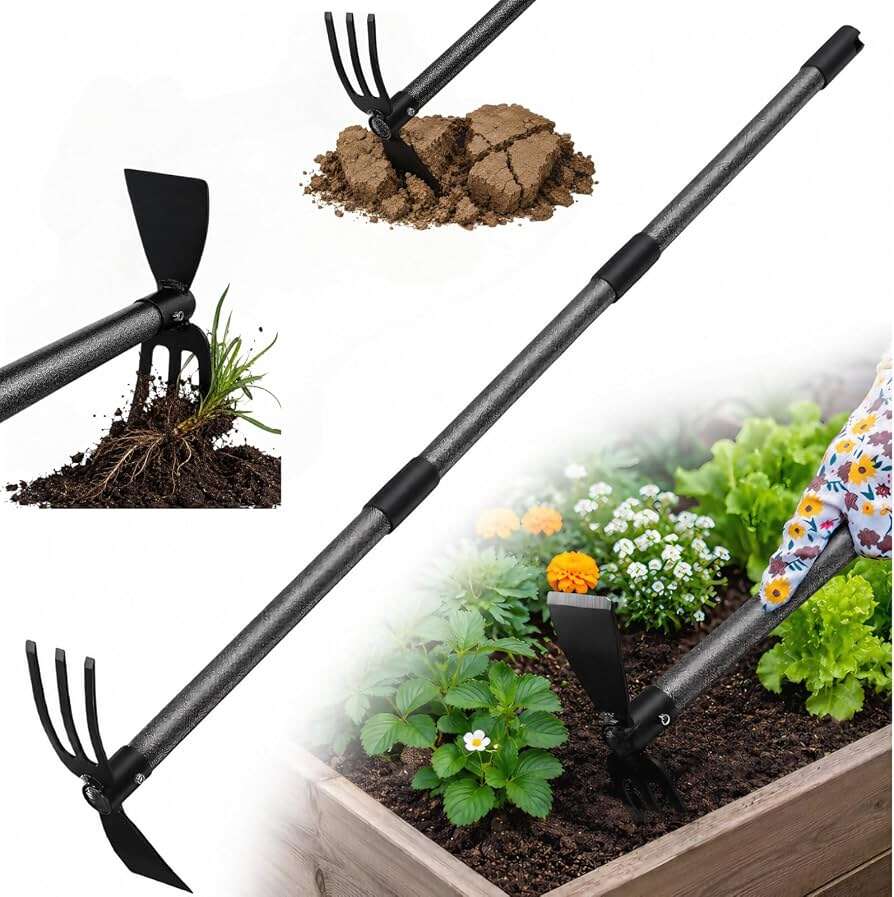
How To Weed A Garden With A Hoe: Easy Weed Control Tips
Use a sharp hoe, work shallow soil, and cut weeds at the roots before they set seed.
Learning how to weed a garden with a hoe is one of the simplest ways to keep beds clean without relying on chemical weed killers. The right hoe, good timing, and gentle strokes can save time while protecting your crops and soil. This guide explains the method step by step, including common mistakes, safety tips, and ways to make hoeing easier.
Why use a hoe for garden weeding?
A garden hoe removes small weeds by cutting their stems below the soil surface. It also breaks thin soil crusts and helps keep the top layer loose. This makes a hoe useful in vegetable gardens, flower beds, and wide planting rows.
The key is to disturb only the top inch of soil. Most annual weed seeds sit near the surface. Deep digging may bring more seeds into the light, where they can sprout.
When learning how to weed a garden with a hoe, remember that hoeing works best on young weeds. Small weeds have weak roots and need little effort to remove. Large weeds may need hand pulling or a digging tool.
A hoe also offers three practical benefits:
• It covers more ground than hand weeding.
• It reduces bending and kneeling.
• It avoids herbicide drift near food crops.
Hoeing is not perfect for every garden. It can damage shallow roots, spread some weeds, or disturb mulch if used too hard. Still, with a light touch, it is a fast and reliable garden task.

Choose the right hoe
The best hoe depends on your soil, weeds, and planting layout. A sharp blade matters more than a fancy design. A dull hoe skids across the soil and forces you to use extra strength.
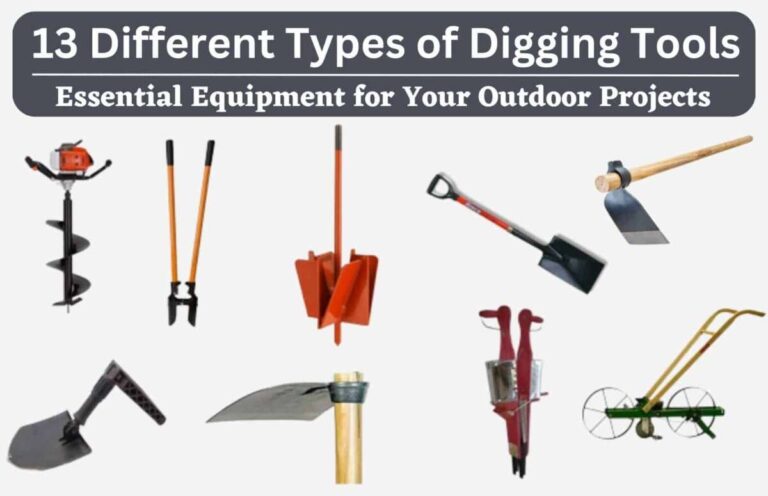
Common hoe types include:
• Draw hoe: This has a broad blade and works well for breaking soil and removing larger weeds.
• Stirrup hoe: Also called a scuffle hoe, it cuts weeds with a back-and-forth motion. It works well between rows.
• Collinear hoe: This narrow hoe is useful in tight spaces and around young plants.
• Warren hoe: Its pointed blade fits into narrow rows and small spaces.
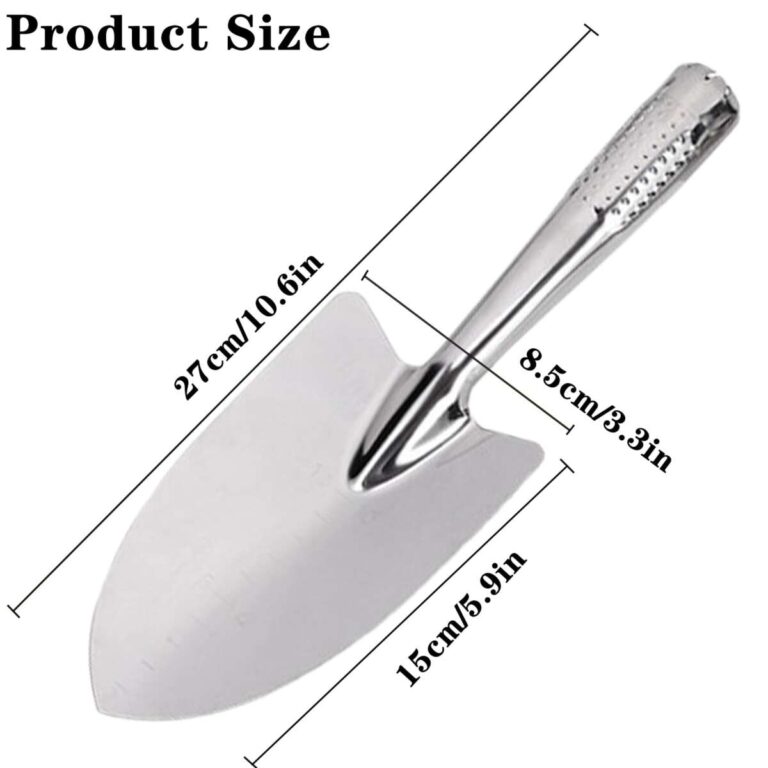
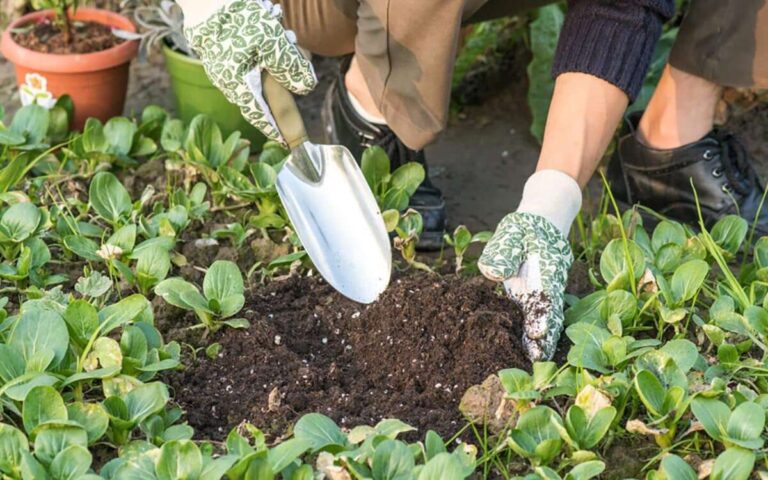
• Hand hoe: This short tool suits raised beds, containers, and close work around plants.
For most home gardens, a sharp stirrup hoe or narrow draw hoe is a strong choice. A long handle can reduce back strain, while a shorter handle gives better control in small beds.
Check the handle before you buy or use a hoe. It should feel comfortable in your hands and should not wobble at the head. A handle that is too long may feel awkward, but one that is too short can make you bend for long periods.
When practicing how to weed a garden with a hoe, hold the handle so your back stays fairly straight. Your tool should do the work, not your shoulders.

Prepare the garden before hoeing
Good preparation makes hoeing faster and safer. Start by checking the weather. Slightly dry soil is often ideal because weeds are easy to cut and the soil does not stick heavily to the blade.
Avoid hoeing very wet soil. Wet soil can clump, smear, and become hard when it dries. It may also increase compaction around plant roots.
Before you begin, walk through the bed and identify your crops. Mark small seedlings if they are hard to see. This step prevents accidental damage, especially when weeds and crop plants look alike.
Gather these items:
• A sharp hoe
• Garden gloves
• Closed-toe shoes
• A bucket or garden cart for removed weeds
• Knee protection if you need to work close to the ground
• A file or sharpening tool for blade maintenance
Watering is usually best after hoeing, not before. If the soil is very dry and hard, water lightly and wait until the top layer becomes workable. Do not turn the bed into mud.
A useful rule for how to weed a garden with a hoe is to clear one small area at a time. This keeps you focused and makes it easier to spot plants you want to save.

How to weed a garden with a hoe step by step
The basic method is simple, but technique matters. Use small movements and keep the blade close to the soil surface.
1. Stand with good posture
Place your feet about shoulder-width apart. Hold the hoe with both hands, and keep your arms relaxed. Bend slightly at the hips rather than rounding your back.
Your position should let you move the hoe with your arms and upper body. Avoid swinging from your shoulders. Large swings waste energy and increase the chance of hitting a crop.
2. Place the blade near the weed
Set the hoe blade just below the soil surface. For tiny weeds, you may only need to skim the top layer. The goal is to sever the stem from the root.
Stay several inches away from crop stems. As plants grow, their roots may spread beyond the visible stem. Use a hand tool near valuable plants.
3. Use a short push or pull
Move the blade with a short push, pull, or side-to-side stroke. A stirrup hoe usually works best with a gentle forward and backward motion. A draw hoe may work better when pulled toward you.
Do not chop deeply. Deep strokes can bring dormant weed seeds to the surface and disturb plant roots.
4. Leave cut weeds on the soil when suitable
Small weeds left on the surface often dry out and die, especially during sunny weather. This can return a small amount of organic matter to the soil.
Remove weeds that have mature seeds, flowers, or thick roots. Also remove weeds from paths if they can reroot after rain.
5. Work around each row
Hoe between rows first, where there is more space. Then move closer to plants with slower, more careful strokes. Keep the blade flat and watch the crop stems.
When learning how to weed a garden with a hoe, it helps to hoe backward into an already cleared area. This prevents you from stepping on freshly worked soil.
6. Inspect the area
After hoeing, look for missed weeds. Check beneath leaves and along bed edges. A few minutes of inspection can prevent a small problem from becoming a large one.
This step-by-step approach to how to weed a garden with a hoe is especially effective when weeds are less than a few inches tall.

The best time to hoe weeds
The best time to hoe is when weeds are young and the soil is lightly dry. Tiny weeds may disappear with one shallow pass. Waiting until weeds flower makes the task harder and may spread new seeds.
Many gardeners prefer to hoe in the morning or late afternoon. These times are cooler and more comfortable, especially in hot climates. Avoid working during the hottest part of the day.
After rain, wait until the soil is workable. A day or two after a light rain may offer ideal conditions. The exact timing depends on soil type:
• Sandy soil may be ready sooner.
• Clay soil may need more time to dry.
• Loamy soil often becomes workable after a short waiting period.
A regular schedule helps more than a single large cleanup. Walk through the garden once or twice each week during peak weed growth. This prevents weeds from becoming established.
One important lesson in how to weed a garden with a hoe is that prevention saves effort. Hoeing small weeds for ten minutes is much easier than removing tall weeds with deep roots.

Hoe around vegetables without damaging them
Vegetable roots can spread close to the soil surface. Crops such as lettuce, onions, beans, and cucumbers may suffer if you hoe too deeply or too close.
Keep a safe distance from the plant stem. As a general guide, leave more space around young plants and work closer only after you understand the crop’s root pattern.