Can You Trim Hedges In The Fall: Fall Pruning Guide
Yes, you can trim hedges in the fall, but timing and hedge type matter most.
If you are wondering, “can you trim hedges in the fall,” the answer depends on whether the plant is evergreen, deciduous, flowering, or newly planted. A light trim can improve shape and remove damaged growth, while a hard cut at the wrong time can reduce flowers, expose tender growth, or cause winter injury. This guide explains when to trim fall hedges, how much to cut, and which mistakes to avoid.
Can You Trim Hedges in the Fall?
Yes, you can trim hedges in the fall in many cases. Fall is often a good time for light pruning because spring and summer growth has slowed. The cooler weather also makes the work easier for both you and the plant.
However, fall hedge trimming is not the same as a major renovation cut. A light trim removes stray shoots and keeps the hedge neat. A hard cut can encourage new growth, and that new growth may not have time to toughen before freezing weather arrives.
When deciding can you trim hedges in the fall, consider these factors:
• The type of hedge
• Your local frost date
• The hedge’s flowering time
• The plant’s health
• How severe the pruning needs to be
In most regions, the safest period is early to mid-fall. Try to finish before hard frost becomes common. In cold areas, stop pruning several weeks before the ground freezes.

When Is the Best Time to Trim Hedges in Fall?
The best time to trim hedges in fall is usually after the main summer growth has stopped but before severe cold begins. This timing gives the plant a chance to heal small cuts without pushing a flush of soft new shoots.
A useful rule is to prune at least four to six weeks before your area’s first hard freeze. Weather varies each year, so do not rely on the calendar alone. Check your local forecast and frost dates.
Early fall
Early fall is often the safest window for a light trim. The hedge still has time to recover, and the weather is usually mild.
This is a good time to:
• Remove long shoots
• Correct a small loss of shape
• Cut out broken branches
• Improve airflow
• Remove dead or diseased growth
Late fall
Late fall requires more care. Avoid major shaping once nights turn cold and the plant begins to slow down for winter.
A late trim may be acceptable for hardy, nonflowering shrubs if you only remove a few stray branches. Still, avoid cutting deeply into old wood unless a plant care expert recommends it.
After leaf drop
For many deciduous shrubs, pruning after the leaves fall makes the branch structure easier to see. You can identify crossing, weak, or damaged branches more clearly.
This does not mean every leafless hedge should receive a hard cut. It simply improves visibility and can help you make cleaner decisions.

Which Hedges Can Be Trimmed in the Fall?
The answer to can you trim hedges in the fall changes with the plant. Some hedges respond well to fall pruning, while others should wait until after flowering or until late winter.
Evergreen hedges
Many evergreen hedges can receive a light fall trim. Common examples include:
• Arborvitae
• Yew
• Boxwood
• Holly
• Privet
• Some types of juniper
Evergreen plants keep their leaves or needles during winter. Their foliage can protect inner branches from wind and cold, so avoid cutting deeply into bare areas. A light trim is usually safer than a hard reduction.
Yews are more tolerant of pruning than many other evergreens. Boxwood can also handle careful shaping, but avoid pruning during wet conditions because moisture can spread disease.
Deciduous hedges
Deciduous hedges lose their leaves in fall. Examples include:
• Forsythia
• Ninebark
• Rose of Sharon
• Privet
• Spirea
• Viburnum
Some deciduous hedges can be trimmed in fall, especially if they do not bloom on old wood. Others form next year’s flower buds on branches that grew during the current season.
That difference matters. A fall haircut may remove the buds that would have produced spring flowers.
Flowering hedges
Be careful with flowering shrubs. Forsythia, lilac, weigela, and many viburnums often bloom on older wood. Pruning them in fall may reduce flowers the following spring.
If the hedge flowers in spring, the safest time to prune it is often right after it finishes blooming. If it flowers in summer on new growth, late winter or early spring may be better.
Newly planted hedges
Newly planted hedges usually need time to establish roots. Avoid heavy fall pruning unless there is broken, dead, or diseased growth.
The plant’s first job is to grow roots, not to create a perfect shape. A small cleanup is fine, but major trimming can add stress before winter.
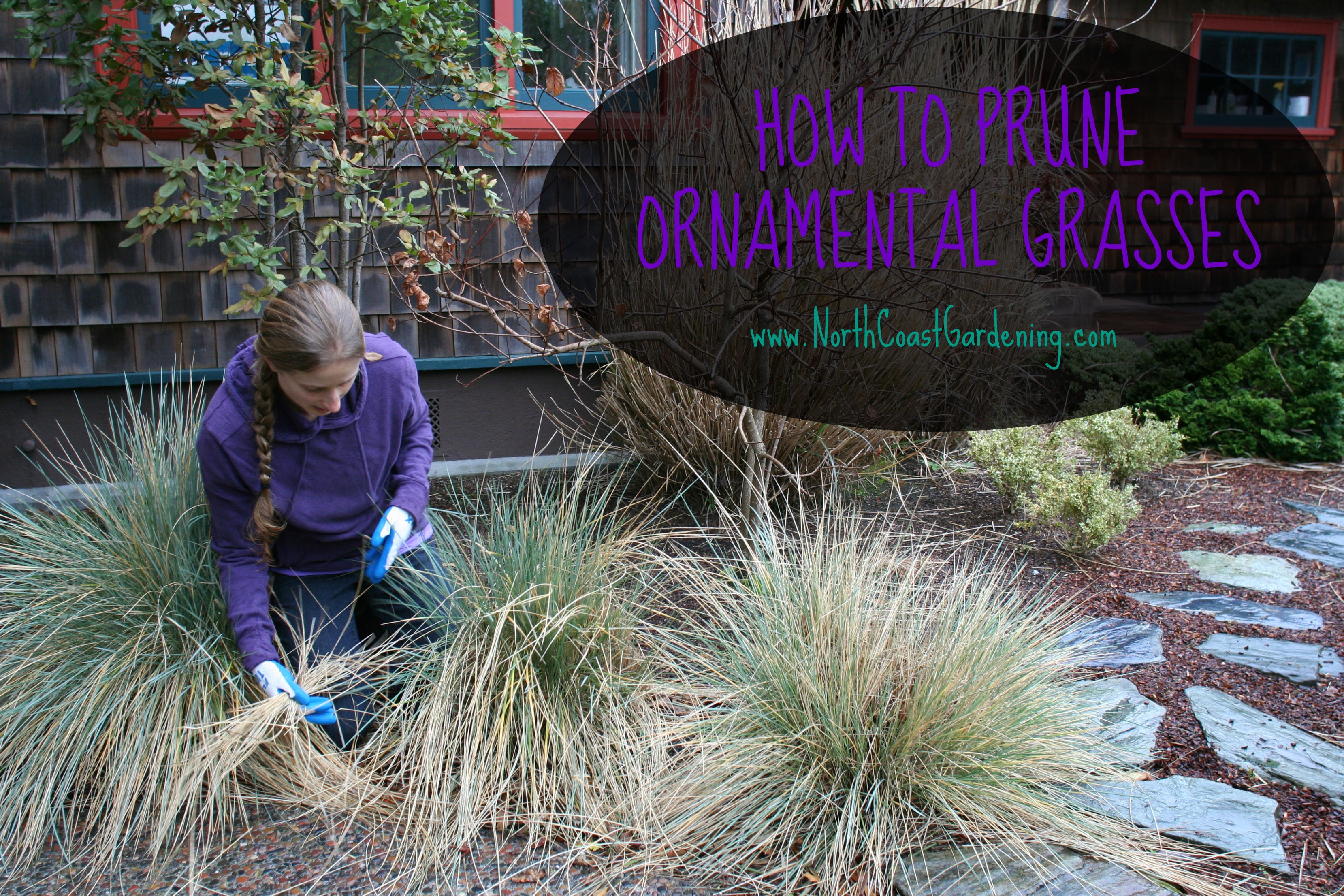
How Much Should You Trim From a Fall Hedge?
For most hedges, remove no more than about one-third of the live growth during a routine fall trim. In some cases, even less is better, especially for young, stressed, or newly planted shrubs.
A light trim should make the hedge look tidy without changing its basic size. Think of it as combing loose hairs, not giving the plant a complete makeover.
Use these guidelines:
• Remove dead, broken, or diseased branches first.
• Cut long shoots back to a healthy side branch.
• Keep cuts just above a leaf node or branch junction.
• Do not leave long branch stubs.
• Avoid cutting into large areas of bare wood.
• Stop if you see widespread disease or severe dieback.
A hard reduction is different from routine maintenance. If the hedge is too large, bare at the base, or badly neglected, renovation may be needed. That work is best planned for the correct season for the specific plant.