Best Tool For Planting Daffodil Bulbs: Top Garden Picks
The best tool for planting daffodil bulbs is a marked bulb planter that creates neat, deep holes with less bending.
Every fall, I see the same garden problem: a bag of daffodil bulbs, hard soil, and a sore back before the first row is finished. A hand trowel works, but it often makes holes with uneven depth and wide openings. The right bulb planter acts like a small cookie cutter for soil. It helps you plant faster, keep bulbs at a steady depth, and protect your hands. I reviewed the leading Amazon options below, focusing on depth marks, soil release, grip, reach, and real garden use.
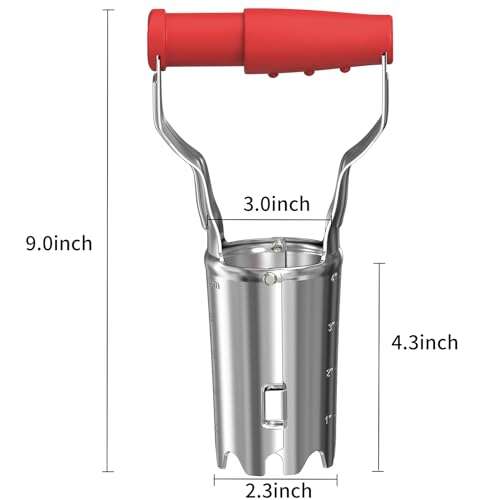
FLORA GUARD Bulb Planter

The FLORA GUARD bulb planter is a simple choice for gardeners who want clean holes without measuring each one by hand. Its depth markers help you keep daffodil bulbs at a more even level across a bed. That matters because bulbs planted too shallow may dry out or suffer from frost, while bulbs planted too deep may struggle to emerge. I like this style for small and medium planting jobs where control matters more than speed.
The narrow planting cup removes a plug of soil and leaves a hole that fits many common bulb sizes. It is also useful for tulips, crocuses, and small ornamental bulbs. The tool does not replace a long-handled planter for a large field, but it gives better depth control than a plain trowel. For a home garden, this is a practical and easy-to-understand design.
Pros:
- Depth markers support more even bulb planting
- Compact shape works well in garden beds
- Helps create a neat hole with less soil disturbance
- Useful for daffodils, tulips, and other spring bulbs
- Simple design has few parts to maintain
- Easy to carry around the garden
Cons:
- Requires more bending than a long-handle model
- Hard, rocky soil may need loosening first
- May feel slow when planting many dozens of bulbs
My Recommendation
I recommend the FLORA GUARD to home gardeners who plant bulbs in borders, raised beds, or small lawn patches. It is a good fit if you want depth marks and a focused planting hole without a complex tool. In my view, it is a strong candidate for the best tool for planting daffodil bulbs when neat spacing and simple handling matter most. Its value is especially good for seasonal gardeners who need one useful bulb tool each fall.
| Best for | Why |
|---|---|
| Small flower beds | Compact body gives good control in tight spaces. |
| Even planting depth | Depth marks make repeated holes easier to match. |
| New gardeners | Simple operation makes the planting process easy to learn. |
XVBITOR Bend-Free Bulb Planter

The XVBITOR bulb planter targets one of the biggest complaints about fall bulb work: constant bending. Its upright design lets you make planting holes while standing, which can make a long session feel much easier on the lower back. This matters most when you plant along a border or add many bulbs to a lawn. The bend-free format also gives the tool a more natural rhythm than a short hand planter.
A standing planter works best when the soil is prepared before use. I would loosen compact clay or dry ground with a spade first, then use this tool to form repeated holes. It can help create a consistent planting pattern, but the user still needs to check the bulb size and recommended depth. The result is a faster process with less kneeling and less strain.
Pros:
- Reduces repeated bending and kneeling
- Well suited to larger planting sessions
- Supports a comfortable standing posture
- Helps make repeated holes at a similar depth
- Useful for lawn edges and broad beds
- Can speed up routine bulb planting
Cons:
- May be less precise in very tight spaces
- Hard soil can require extra force
- Longer tools need more storage space
My Recommendation
The XVBITOR is best for gardeners who want a bend-free way to plant daffodils. I would choose it for a larger bed, a lawn display, or anyone with back or knee concerns. It may be the best tool for planting daffodil bulbs for users who value reach and comfort over a tiny hand tool. Check the planting depth for your bulbs before starting, then use the planter in prepared soil for the smoothest results.
| Best for | Why |
|---|---|
| Back-friendly gardening | The upright format limits bending during repeated planting. |
| Large bulb displays | A standing position helps maintain a steady work pace. |
| Lawn planting | The longer reach suits open areas with wider spacing. |
Edward Tools Bend-Free Bulb Planter

The Edward Tools bulb planter is made for gardeners who want a standing tool with a clear depth guide. Its bend-free format can make the difference between planting ten bulbs and planting an entire bed. I find depth markers especially useful when combining daffodils with tulips or other bulbs that need different planting levels. The design focuses on repeatable work rather than delicate transplanting.
This planter is most effective in soil that is moist but not wet. Very wet soil can cling inside a planting cup, while dry clay can resist the cutting edge. Use your foot or body weight in prepared ground, then place the bulb with the pointed end up and cover it with loose soil. With good soil timing, this type of planter can make fall planting much less tiring.
Pros:
- Standing design helps reduce back strain
- Depth marker supports consistent planting
- Works for several common bulb types
- Useful for tulips, daffodils, and dahlias
- Good option for repeated holes in open beds
- Easy to combine with a preplanned spacing layout
Cons:
- Not ideal for dense roots or heavy stones
- May need soil preparation before use
- Less convenient for small pots and narrow borders
My Recommendation
I suggest the Edward Tools planter for gardeners who want a reliable bend-free format and a visible depth guide. It is especially useful for a mixed bulb bed where planting depth must stay consistent. If comfort is your main goal, this can be the best tool for planting daffodil bulbs among the long-handle options. It offers good everyday value for seasonal use, though you should store it dry after cleaning soil from the cup.
| Best for | Why |
|---|---|
| Mixed bulb beds | The depth guide helps support different planting plans. |
| Older gardeners | Standing use can reduce stress on knees and the lower back. |
| Repeat planting | The design suits rows or groups of similar holes. |
Toresano Bulb Planter

The Toresano bulb planter is a straightforward hole-digging tool for gardeners who want to place bulbs with less guesswork. Its form is useful when you need a clean opening rather than a broad trench. That can protect nearby plants and keep a finished bed looking tidy. I would consider it for daffodil groups, tulip clusters, and small replacement plantings.
A bulb planter works by removing a core of soil, so it performs best when the ground has some moisture. It may not glide through packed gravel or roots, and no manual planter can replace proper soil preparation. Once the hole is ready, place the daffodil with its pointed tip facing upward and refill the hole firmly. This simple process helps reduce air pockets around the bulb.
Pros:
- Creates focused holes with limited digging
- Useful for small groups and replacement bulbs
- Helps keep nearby plants undisturbed
- Simple manual design needs no batteries
- Easy to use in prepared garden soil
- Suitable for several spring-flowering bulbs
Cons:
- Dense clay may slow the digging process
- Shorter reach can require more bending
- Hole size may not suit very large bulbs
My Recommendation
The Toresano is best for gardeners who want a basic, focused bulb hole digger for small or medium jobs. It suits someone who already has loose soil and prefers a compact tool over a long handle. For those conditions, it can be the best tool for planting daffodil bulbs because it keeps the process simple and controlled. I would pair it with a hand fork for breaking hard ground before planting.
| Best for | Why |
|---|---|
| Small bulb groups | The focused shape helps make clean holes one at a time. |
| Existing garden beds | It can limit disturbance around established plants. |
| Simple tool users | The manual format is easy to understand and maintain. |
Eadwiella Bulb Planter With Depth Markers

The Eadwiella planter combines depth markers with an automatic soil-release design. That release feature can save time because it helps empty the soil plug without digging it out by hand. For gardeners planting many bulbs, small time savings add up quickly. I also like the depth guide because it supports a more level display when several daffodils bloom together.
The tool is a good match for prepared beds and moderate soil. Before planting, I would remove large stones and loosen hard patches so the cutting cup can work smoothly. The automatic release mechanism should be kept free of packed soil, especially after use in damp ground. Rinse it, let it dry, and store it in a shed or garage to help preserve its action.
Pros:
- Automatic soil release can speed up planting
- Depth marks help create more even holes
- Useful for larger home garden projects
- Reduces the need to scoop soil from each hole
- Works well for daffodils and other bulb types
- Supports a clean and organized planting routine
Cons:
- Moving parts need cleaning after damp use
- May clog if soil is sticky or very wet
- Hard ground can still require a separate digging tool
My Recommendation
I recommend Eadwiella for gardeners who want a depth guide plus faster soil removal. It is a smart choice for a medium-size bulb display where you want to repeat the same motion many times. In that setting, it may be the best tool for planting daffodil bulbs for speed and tidy work. Its value improves when you clean the release area after each session.
| Best for | Why |
|---|---|
| Faster planting | The soil-release feature can reduce time between holes. |
| Uniform displays | Depth marks support a more even row of bulbs. |
| Prepared beds | Loose soil lets the planter and release action work well. |
Gardening Planting Tool Set

This gardening planting tool set offers more than one way to work with bulbs and small plants. A bulb planter can create the hole, while a matching tool can help fill the space or move a small plant. That makes the set useful for gardeners who do several tasks in one bed. It also gives beginners a basic kit instead of forcing them to buy each tool separately.
The depth marking is helpful when planting daffodils at a steady level. I would use the planter for the main hole, set the bulb point-up, and use the other piece to guide soil back around it. A set like this is more flexible than a single-purpose tool, but it may not feel as strong as a dedicated long-handle planter in hard ground. It makes the most sense for containers, raised beds, and small borders.
Pros:
- Offers several tools for planting tasks
- Depth marks support consistent bulb placement
- Useful for bulbs, seedlings, and small plants
- Can reduce the need to buy separate hand tools
- Practical for raised beds and containers
- Good starter option for new gardeners
Cons:
- Small tools still require bending or kneeling
- May not suit large-scale bulb planting
- Multiple pieces need organized storage
My Recommendation
This set is best for a new gardener who wants one compact kit for several planting jobs. It is also useful for anyone who grows daffodils in raised beds, pots, or small flower borders. If versatility matters more than raw speed, this could be the best tool for planting daffodil bulbs in a mixed home garden. It offers solid everyday value because the extra tools can stay useful after bulb season ends.
| Best for | Why |
|---|---|
| New gardeners | The set covers more than one basic planting task. |
| Raised beds | Compact tools fit well in loose, elevated soil. |
| Small plant moves | The extra pieces can help with seedlings and transplants. |
H HUGELEAF Bulb Planter

The H HUGELEAF bulb planter provides a broad depth range, marked from about one to five inches. That range gives gardeners more control when working with different bulb sizes and planting plans. Daffodils often need a deeper hole than tiny crocus bulbs, so visible marks can help prevent a one-depth-fits-all approach. I see this as a flexible choice for gardeners who grow several spring bulbs.
A depth range is only useful when the soil is measured from the correct surface. Clear loose mulch away before making the hole, and check the bulb package for the right depth. The tool is most comfortable in cultivated ground rather than compacted lawn or stone-filled soil. Used with care, it can help create a layered bulb display with taller flowers behind shorter ones.
Pros:
- Wide marked depth range adds planting flexibility
- Useful for bulbs of different sizes
- Helps avoid shallow or overly deep holes
- Good fit for mixed spring displays
- Compact design works in many garden spaces
- Supports more deliberate planting plans
Cons:
- Hard soil may limit the marked depth you can reach
- Requires bending during use
- Depth marks can be hard to read in dirty conditions
My Recommendation
I would choose H HUGELEAF for a gardener who plants several bulb types each year. The one-to-five-inch range is helpful when daffodils share space with smaller or larger bulbs. It can be the best tool for planting daffodil bulbs if you want depth flexibility in one compact planter. It delivers the most value when used in soft soil and cleaned before storage.
| Best for | Why |
|---|---|
| Mixed spring bulbs | The marked range supports different planting depths. |
| Layered displays | Depth control helps plan bulbs at different levels. |
| Compact beds | The hand format gives control around existing plants. |
3-Pack Bulb Planter and Dibber Set
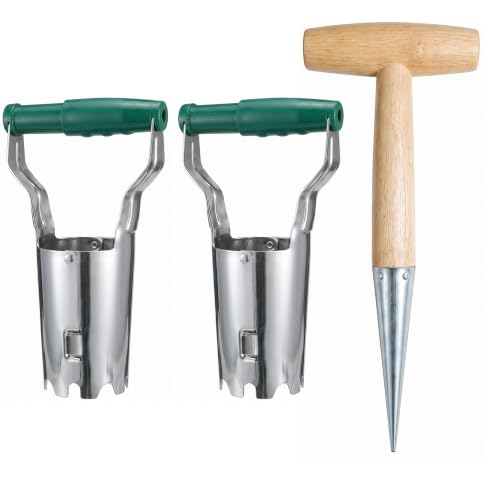
This three-piece set includes two bulb planters and a seed dibber. That mix gives you options for daffodils, small bulbs, seeds, and seedlings. The two planter sizes can help match the opening to the bulb rather than making a hole that is too wide. For gardeners who enjoy starting plants from seed as well as planting bulbs, this is a useful little collection.
The four-inch marking suits many hand-planting tasks, but you should still follow the depth guide for the specific daffodil variety. A dibber makes a narrow hole for seeds or tiny plugs, while the bulb tools remove more soil for larger bulbs. The set is best in soft beds and containers. It is less suitable for old lawn soil packed with roots.
Pros:
- Includes two bulb planter sizes
- Seed dibber adds value beyond bulb season
- Useful for seeds, seedlings, and bulbs
- Compact tools suit containers and raised beds
- Helps match hole size to the planting job
- Practical set for home gardening projects
Cons:
- Hand tools require kneeling or bending
- Not the fastest choice for hundreds of bulbs
- Limited reach for deep planting tasks
My Recommendation
This three-pack is best for hobby gardeners who want flexible hand tools in one purchase. It is a good choice for a small garden where daffodils, seeds, and seedlings share the same work space. For that mixed use, it may be the best tool for planting daffodil bulbs because it also handles other jobs between bulb seasons. I consider it a strong value pick for beginners and container gardeners.
| Best for | Why |
|---|---|
| Seed and bulb users | The dibber and bulb planters cover different planting needs. |
| Containers | Small hand tools fit pots and compact beds. |
| Budget shoppers | One set provides three useful planting tools. |
Colwelt Long Handle Bulb Planter

The Colwelt long-handle bulb planter is built for gardeners who want reach and less time on their knees. Its upright design is useful when planting in lawns, broad borders, or long rows. It can also help remove a plug of turf when you want to place daffodils in grass. That makes it a practical choice for naturalized displays, where bulbs appear in a wider open area.
Long-handle planters work best when you use a steady downward motion rather than twisting hard. If the ground is dry, water it a day before planting and allow the surface to drain. In rocky soil, remove large stones first to protect the tool and your effort. This is not the most precise option for a crowded border, but it saves time in open spaces.
Pros:
- Reduces kneeling and repeated bending
- Good reach for lawns and broad beds
- Useful for naturalizing daffodils in grass
- Can make repeated holes at a steady pace
- Works well for gardeners with limited mobility
- Helps cover larger planting areas
Cons:
- Less precise around close-growing plants
- Dry or rocky soil can be difficult
- Takes more room to store than a hand planter
My Recommendation
I recommend the Colwelt long-handle planter for open ground, lawns, and large borders. It is especially helpful if kneeling is painful or if you need to plant many daffodils in one session. For reach and speed, this may be the best tool for planting daffodil bulbs in a naturalized lawn display. It provides the greatest benefit when the soil is moist, clear, and ready for planting.
| Best for | Why |
|---|---|
| Lawn displays | The long handle reaches open grass without constant kneeling. |
| Large borders | Upright use helps maintain a steady planting pace. |
| Limited mobility | It reduces the need to work close to the ground. |
Haliaeetus Bulb Planter With Depth Mark

The Haliaeetus bulb planter features a six-inch depth mark, giving gardeners a clear reference for deeper planting. That can help when working with large daffodil bulbs or planning a more substantial bed. A visible mark is much easier to use than guessing with a ruler after every hole. I see this as a focused choice for gardeners who care about depth and repeatable placement.
Six inches is a useful reference, but it should not become a rule for every bulb. Planting depth depends on bulb size, soil type, climate, and the directions supplied with the bulbs. Use the mark as a guide, then adjust when needed. The planter should perform best in loose garden soil that has been cleared of stones and thick roots.
Pros:
- Six-inch marker supports deeper planting plans
- Helps reduce guesswork in repeated holes
- Useful for larger daffodil bulbs
- Compact enough for garden beds
- Works without power or fuel
- Supports neat rows and grouped displays
Cons:
- Deep holes may be hard in compact soil
- Hand use requires bending or kneeling
- One main depth mark may not suit every bulb
My Recommendation
Haliaeetus is best for gardeners who want a clear deeper-depth reference in a compact planter. It can help with daffodil beds where consistent placement matters, but I would always check the bulb label before using the full six-inch mark. If depth control is your top concern, this is a strong contender for the best tool for planting daffodil bulbs. Its overall value is highest for careful home gardeners who plant in prepared soil.
| Best for | Why |
|---|---|
| Deeper bulb beds | The six-inch mark gives a clear reference point. |
| Large daffodil bulbs | The design suits users planning deeper holes. |
| Careful spacing | A repeatable depth supports an even finished display. |
How to Choose the Best Tool for Planting Daffodil Bulbs
The best tool for planting daffodil bulbs depends on your soil, body comfort, and planting area. A short planter gives more control in a crowded bed. A long-handle planter gives better reach in a lawn or large border. A set may be the better buy if you also plant seeds and small transplants.
Choose the Right Planter Style
Hand bulb planters work like narrow soil cutters. They suit raised beds, containers, and small borders. They are easy to place between existing plants, but they require more bending. Long-handle models let you work while standing and usually make more sense for wide areas.
If you have knee or back pain, start with a bend-free design. A long handle does not remove all effort, but it can change your posture and reduce repeated trips to the ground. If you enjoy detailed planting in a small bed, a hand model may offer better control. Think of the tool as a paintbrush: the right size helps you create the result you want.
Look for Useful Depth Marks
Daffodils need enough soil cover to stay stable and protected. The exact depth varies by bulb size and local conditions, so I advise following the grower’s label first. Depth marks then help you repeat that measurement without stopping to use a ruler.
Marks should be easy to see and placed where soil will not hide them at once. A one-to-five-inch range offers flexibility for mixed bulbs. A six-inch mark can help with deeper plans, but it does not mean every bulb belongs at six inches. Good depth control is helpful, but correct soil and bulb direction still matter.
Consider Soil Type
Loose, crumbly soil is ideal for any bulb planter. Moist soil often cuts more easily than dusty dry soil. Avoid working when the ground is soaked, since wet soil can smear, clog, and lose its structure.
Clay soil may need compost or other organic matter worked into it before planting. Rocky ground may require a hand fork or spade first. Roots from trees and shrubs can also block a planter. No bulb tool can replace soil preparation, so spend a few minutes clearing the planting area before you begin.
Check Bulb Size and Hole Width
A daffodil bulb should sit firmly in the hole without being crushed or forced. The planter should make an opening wide enough for the bulb and its roots. A very small hole may bend roots, while an oversized hole can leave loose soil around the bulb.
Most home bulb planters suit common daffodil sizes, but large bulbs may need a wider opening. If you grow unusual varieties, compare the bulb with the tool before starting. A modular set with more than one planter size can be useful for mixed planting.
Think About Soil Release
Some planters hold the soil plug until you remove it. Others include a release feature that pushes the plug out. Soil release can save time, especially when you plant many bulbs in a row.
It can also add a part that needs cleaning. Sticky soil may block the mechanism if you ignore it. Rinse the planter after use, remove stuck soil, dry the metal, and store it under cover. This small care step can help prevent rust and keep the tool moving well.
How I Plant Daffodil Bulbs With a Bulb Planter
I start by choosing a site with good drainage and enough sun for the daffodils. Many daffodil varieties handle partial shade, but more light often supports stronger flowering. I remove weeds, break hard clumps, and clear stones from the top layer of soil.
Next, I check the bulb label for depth and spacing. I use a measuring mark on the planter as a guide, not as a replacement for the label. Then I make each hole with the planter held straight. A straight tool creates a more stable hole than one pushed at an angle.
I place each bulb with the pointed end up and the root plate down. The root plate is the flatter base where the roots emerge. I refill the hole with loose soil and press gently. I do not pack the soil so hard that air and water cannot move through it.
After planting, I water if the soil is dry. This settles the soil around the bulb and starts root growth. I avoid creating a soggy bed, since poor drainage can lead to bulb rot. A layer of light mulch can help protect soil moisture and reduce temperature swings.
In spring, I let the leaves remain after flowers fade. The leaves collect energy for the next season. I remove them only after they turn yellow and begin to collapse on their own. This simple habit often matters more than buying an expensive planting tool.
Common Bulb Planting Mistakes to Avoid
Planting Every Bulb at the Same Depth
Not all bulbs are the same size. A tiny bulb and a large daffodil should not always share one depth. Use the product label and adjust the planter mark to the bulb in your hand.
Working in Waterlogged Soil
Wet soil may look easy to dig, but it can smear and compact. It can also reduce air spaces around the bulb. Wait until the ground is moist and workable, not saturated.
Pointing the Bulb the Wrong Way
The pointed tip should face up. The flatter root plate should face down. If you are unsure, inspect the bulb closely before placing it.
Ignoring Drainage
Daffodils dislike soil that stays wet for long periods. Improve drainage before planting or choose a raised area. The best tool for planting daffodil bulbs cannot fix a waterlogged site.
Leaving Soil on the Tool
Soil left on metal parts can hold moisture and cause rust. Clean the planter after use. Dry it before storage, especially if it includes a release mechanism.
FAQs Of best tool for planting daffodil bulbs
What is the best tool for planting daffodil bulbs?
A marked bulb planter is usually the best choice for home gardens. It makes focused holes and helps keep planting depth consistent. Choose a long-handle style if you want less bending.
How deep should I plant daffodil bulbs?
Follow the bulb package first because depth depends on bulb size and local conditions. As a general guide, many daffodil bulbs go several inches below the soil surface. Use depth marks as a guide, not a fixed rule.
Can I use a bulb planter in clay soil?
Yes, but loosen the clay first and work when it is moist, not wet. A planter may struggle in hard, dry clay. Adding organic matter over time can improve soil texture.
Are long-handle bulb planters better than hand planters?
Long-handle planters are better for open areas and users who want to avoid kneeling. Hand planters offer more control in small beds and around existing plants. The best choice depends on your garden layout and comfort.
Should I water daffodil bulbs after planting?
Water after planting if the soil is dry. This helps settle soil around the bulb and supports early root growth. Avoid heavy watering when the bed already holds excess moisture.
Final Verdict: Which Should You Buy?
For most home gardeners, the FLORA GUARD is the best tool for planting daffodil bulbs because it combines clear depth marks, simple use, and good control. Choose a long-handle model if bending is hard or the planting area is large.
Prepare the soil, follow bulb depth guidance, and clean the tool after use. The right daffodil bulb planter can turn a tiring fall chore into a neat, quick garden task.

Laura Bennett is a gardening writer at MyGardenLabs who creates beginner-friendly guides focused on solving common plant care and gardening problems.