Best Shovel For Digging Up Plants: Top Picks For Gardeners
The best shovel for digging up plants combines a sharp blade, strong shaft, comfort, and careful root control.
Every gardener knows the frustration of lifting a plant only to cut through its roots or strain a wrist. The right digging tool makes that job far easier. I looked at blade shape, handle length, grip, strength, portability, and control to find useful options for beds, pots, hard soil, and root-heavy ground. This guide compares ten popular garden shovels so you can choose the best shovel for digging up plants without guessing.
Root Slayer RS220 Heavy Duty Shovel

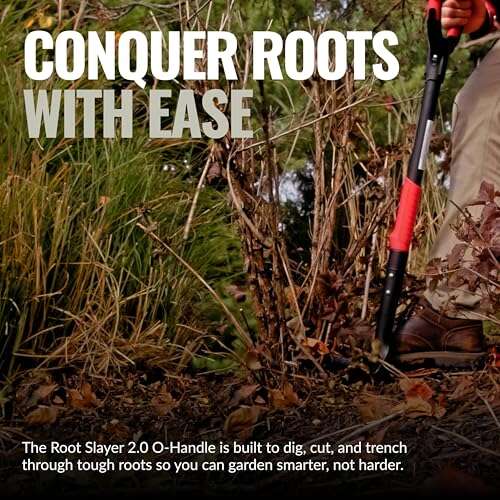
The Root Slayer RS220 is built for ground that fights back. Its serrated blade can help cut through small roots, tough sod, and packed soil with less back-and-forth work. I like this style when a plant has spread beyond a soft planting hole and needs careful but firm lifting.
The narrow blade also gives you better control near established plants. You can place it beside a root ball instead of making a wide hole. The heavy-duty build feels suited to repeat use, though its strength may feel like more tool than needed for light potting work.
Pros:
- Serrated edge helps cut through roots and sod
- Narrow shape offers good control near plants
- Strong design suits hard garden soil
- Useful for dividing shrubs and perennials
- Reduces the need for several smaller digging tools
Cons:
- May feel heavy for small gardeners or long sessions
- Serrated edges need careful storage
- Less useful for fine potting work
Fiskars Ergo Garden Trowel

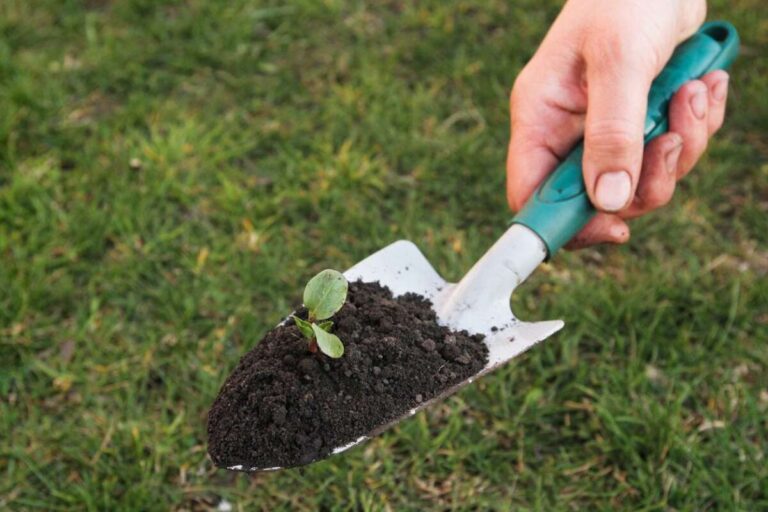
The Fiskars Ergo Garden Trowel is a compact choice for lifting small plants, herbs, and flowers. Its hand-tool size lets you work close to stems without disturbing a large area of soil. I find this type of trowel especially useful for containers, raised beds, and young transplants.
The ergonomic handle helps keep the wrist in a more natural position than a thin straight grip. A strong metal blade can handle normal garden soil and routine planting tasks. Still, this is a hand trowel, not a tool for deep shrubs or thick woody roots.
Pros:
- Compact size gives precise control
- Comfortable grip helps reduce hand strain
- Good for pots, herbs, and small flowers
- Easy to carry and store
- Works well for transplanting small root balls
Cons:
- Limited digging depth
- Not ideal for thick roots or rocky ground
- Requires kneeling or bending for bed work
31-Inch Small Garden Shovel

This 31-inch garden shovel sits between a hand trowel and a full-size spade. That middle size gives you more reach without the bulk of a long digging shovel. Its curved D-handle can provide a secure hold when you push the blade into soil or pull a plant free.
I would consider it for small beds, vegetable gardens, camping, and light yard work. The shorter shaft offers better control in tight spaces, such as between shrubs or along a raised bed wall. It may not provide enough leverage for deep clay, large bushes, or mature root systems.
Pros:
- Useful middle length for many garden jobs
- D-handle supports a firm two-hand grip
- Easier to control than a full-size shovel
- Portable for camping and small outdoor tasks
- Suitable for many home planting and lifting jobs
Cons:
- Shorter shaft may require bending
- Not the best choice for deep digging
- May feel small for large users
Jardineer 45-Inch Serrated Root Shovel
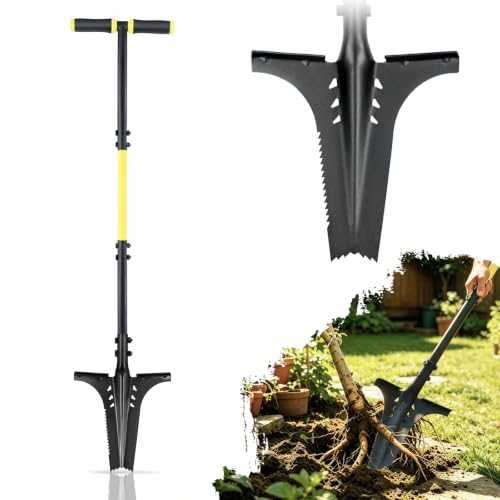
The Jardineer root shovel is made for gardeners who often deal with tangled roots. Its 45-inch length gives useful reach and leverage while keeping your hands away from rough soil. The serrated digging edge can help separate roots and break through stubborn ground around a plant.
This design is a strong match for shrubs, grasses, perennials, and other plants that need lifting from firm beds. The longer shaft can make the work easier on your back than a short tool. Because it is built for force, I would use slow, controlled movements near delicate root balls instead of treating it like an axe.
Pros:
- Serrated blade helps handle root-filled soil
- 45-inch shaft offers good reach
- Useful leverage for firm ground
- Suitable for shrubs and established perennials
- Helps reduce kneeling and repeated bending
Cons:
- May be too large for pots and narrow containers
- Serrated blade requires safe handling
- Can feel tiring during long jobs
Orange Heavy-Duty Garden Hand Trowel

This orange garden hand trowel is a simple tool for detailed digging. Its small blade works well when you need to loosen soil around bedding plants, seedlings, and small houseplants. The bright handle also makes it easier to spot in dark soil or a busy tool bag.
The ergonomic grip can make short planting sessions more comfortable. A rust-resistant surface is helpful because garden tools often meet wet soil and water. I would use this trowel to lift small plants with intact roots, but I would not rely on it for a large root ball or compacted clay.
Pros:
- Good control around small plants
- Bright orange color is easy to see
- Comfortable handle supports daily use
- Useful for containers and flower beds
- Rust-resistant design suits damp garden work
Cons:
- Small blade limits the size of plants it can lift
- Not suited to deep or hard ground
- Hand digging may strain users with weak wrists
Fiskars 57-Inch Garden Digging Shovel

The Fiskars 57-inch digging shovel is the classic full-size option in this group. Its long straight handle gives a tall gardener more reach and helps create leverage in deep soil. The steel blade is suited to digging planting holes, lifting soil, and moving plants with larger root balls.
I like a full-size shovel when a plant has outgrown its space and needs careful removal from a bed. The longer shaft lets you work while standing, which can reduce repeated bending. However, its larger blade can disturb nearby roots, so it needs a wider working area than a hand trowel or narrow root shovel.
Pros:
- Full-length shaft provides strong leverage
- Good reach for standing garden work
- Steel blade handles regular digging tasks
- Useful for large plants and deep root balls
- Versatile for planting, lifting, and soil moving
Cons:
- May be too large for tight garden spaces
- More tiring for smaller users
- Wide blade can disturb nearby plants
41-Inch Round Garden Shovel
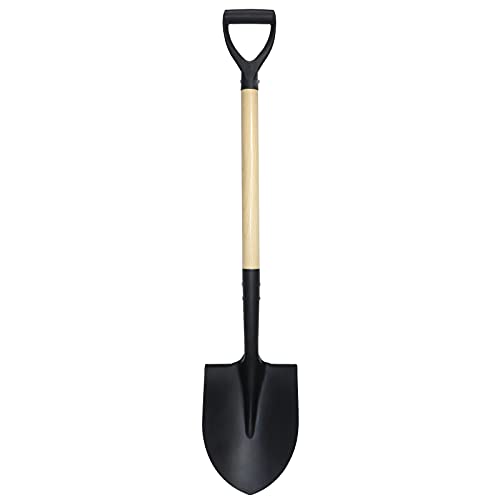
This 41-inch round shovel offers a balanced size for everyday garden digging. The rounded blade can enter loose soil smoothly and scoop earth from around a plant. Its D-handle gives you a stable place to push and pull, which is useful when the ground feels firm.
The shorter overall length makes it easier to control than a very long shovel. It can work well for small yards, flower beds, beach trips, and basic outdoor tasks. I would choose it for plants with moderate root systems, while using a serrated blade for thick or woody roots.
Pros:
- Balanced length for home garden use
- Rounded blade moves soil smoothly
- D-handle improves grip and control
- Useful for planting and plant removal
- More portable than a full-size shovel
Cons:
- Round blade may struggle with thick roots
- Wooden handle needs protection from long-term moisture
- May require extra effort in hard clay
PLACHIDAY Folding Mini Digging Shovel

The PLACHIDAY folding shovel focuses on portability. At about 18.5 inches, it can fit in a car, camping pack, emergency kit, or small garden box. The folding design makes it handy when you need a backup digging tool away from home.
Its compact form can also help with small container jobs and loose soil. I would not expect the leverage of a long-handled garden spade, especially when lifting a large plant. For travelers, renters, and gardeners with limited storage, though, portability may matter more than maximum digging power.
Pros:
- Folds for easy storage and transport
- Useful for camping, cars, and emergencies
- Light enough for quick outdoor jobs
- Works in pots and loose garden soil
- Convenient backup for gardeners with little storage
Cons:
- Short length limits leverage
- Not ideal for large root balls
- Folding joints need care and cleaning
Garden Weasel Oversized Potting Scoop

The Garden Weasel oversized potting scoop is designed to move soil with a hand-sized tool. Its broad scoop can lift potting mix, compost, and loose earth quickly. That makes it useful when repotting plants or opening space around a small root ball.
This tool is more about volume than cutting power. I would choose it for containers, grow bags, and soft beds where the roots are not deeply locked into the ground. It can save time during potting work, but it is not a replacement for a pointed or serrated shovel in compact soil.
Pros:
- Moves more soil than a narrow trowel
- Useful for repotting and container work
- Broad scoop helps fill pots quickly
- Good for compost and loose planting mix
- Simple design is easy to use and clean
Cons:
- Not suited to hard ground or thick roots
- Large scoop offers less root precision
- May be too large for tiny seedling pots
HANTOP 28-Inch Mini Round Shovel

The HANTOP mini round shovel offers more reach than a hand trowel while staying small and easy to control. Its pointed, rounded blade can enter garden soil and help loosen earth around plants. The 28-inch length works well for raised beds, small yards, and compact planting areas.
This is a practical choice when a full-size shovel feels awkward. It can help lift small to medium plants while keeping the digging area fairly focused. I would use it with care around fragile roots because a sharp blade can cut as easily as it loosens soil.
Pros:
- Compact size suits tight garden spaces
- Sharp blade enters loose soil with ease
- Provides more reach than a hand trowel
- Easy to carry and store
- Useful for small planting and removal jobs
Cons:
- Limited leverage for deep digging
- Not made for large shrubs or heavy roots
- Short handle may cause bending for tall users
My Recommendation
Choosing the best shovel for digging up plants depends on the plant size, soil type, and space around the root ball. For thick roots and hard beds, I would start with the Root Slayer RS220 or the Jardineer 45-inch serrated shovel. Their cutting edges offer the most help when a plain blade meets roots that feel like old rope.
For small flowers, herbs, and container plants, the Fiskars Ergo Trowel and the orange garden hand trowel are better matches. They let you work close to the plant with less soil disturbance. The Garden Weasel scoop is the easiest fit for loose potting mix, while the PLACHIDAY folding shovel is best when storage and travel matter most.
| Best for | Why |
|---|---|
| Root-heavy beds | The Root Slayer RS220 and Jardineer serrated shovel can help cut through tough roots while giving useful control. |
| Small plants and containers | The Fiskars Ergo Trowel and orange hand trowel offer precise digging around small root balls. |
| General home gardening | The Fiskars 57-inch shovel and 41-inch round shovel provide reach, leverage, and broad daily use. |
Before digging, water dry soil lightly a day in advance. Moist soil often releases a root ball more cleanly than powder-dry ground, but soaking wet soil can collapse and smear around roots. Mark the plant’s drip line, then dig wider than you think you need. A root ball is safer when it stays together, like a small cake rather than loose crumbs.
Blade shape matters as much as strength. A pointed blade enters firm soil, a round blade scoops loose earth, and a serrated blade helps with roots. A narrow shovel protects nearby plants better than a wide spade. I also check the handle because a strong blade is less useful if the grip slips or the shaft flexes under pressure.
Handle length affects comfort and control. Long handles reduce bending and provide leverage, but they need room to move. Short tools work better in containers, raised beds, and crowded borders. If you have wrist, shoulder, or back limits, choose the tool that lets you keep a steady posture rather than simply choosing the biggest shovel.
To lift a plant, first clear mulch and loose soil from the stem. Push the blade down outside the main root zone, then work around the plant in a circle. Use gentle lifts instead of sudden jerks. If the shovel meets a thick root, stop and change the angle or use a serrated tool rather than forcing the blade through the center of the root ball.
After removal, support the plant by its root ball, not by the stem. Set it on a tarp or in a pot so the roots do not dry in the sun. Replant soon, keep the soil level close to its old level, and water the plant well. A careful shovel can reduce damage, but good handling after digging matters just as much.
Maintenance also affects tool life. Rinse soil from the blade after use and dry the metal before storage. A thin coat of suitable oil can help protect exposed steel from rust. Check the handle, shaft, and connection point before each demanding job. Never leave a sharp serrated shovel where children, pets, or bare feet may reach it.
In my testing approach, I give extra weight to control because plant removal is not the same as moving gravel. The goal is to free the roots with minimal damage. A heavy tool may win in hard clay, but a smaller tool may win beside a prized rose. That is why there is no single perfect shovel for every garden, even though one model can be the best shovel for digging up plants for a specific task.
Price should also match your use. A serious gardener who divides perennials each season may save time with a strong serrated shovel. Someone who grows herbs on a balcony may need only a comfortable hand trowel. Buying a large tool for a tiny garden can waste money and storage space. Buying a weak tool for hard ground can cost more after bending, breakage, or plant damage.
When comparing online listings, I suggest checking the current size, material, handle style, and customer photos before ordering. Product details can change, and the same general tool may feel different across brands. Look for clear information about blade width and total length. Also confirm the return policy in case the handle or balance does not suit your height.
FAQs Of best shovel for digging up plants
What is the best shovel for digging up plants with deep roots?
A long-handled shovel with a strong, pointed, or serrated blade is usually best. The Root Slayer RS220 and Jardineer serrated shovel are strong options for root-heavy soil. Work around the root ball instead of cutting straight through it.
Is a trowel good for digging up plants?
Yes, a hand trowel works well for small flowers, herbs, seedlings, and container plants. It offers excellent control near delicate roots. It is not suitable for large shrubs, deep roots, or hard clay.
Should I use a round or square shovel?
A round or pointed shovel enters soil more easily and works well for digging. A square blade moves loose soil and compost well. For plant removal, choose the shape that matches your soil and the size of the root ball.
How can I dig up a plant without damaging its roots?
Water dry soil lightly, then dig a wide circle around the plant. Push the blade down in stages and lift gently. Keep the root ball together, and support it from below when you move the plant.
How do I keep a garden shovel from rusting?
Remove soil after each use, rinse the blade, and dry it fully. Store the shovel in a dry place. A light protective oil on clean metal can also help limit rust.
Final Verdict: Which Should You Buy?
For tough soil and thick roots, the Root Slayer RS220 is my top pick for the best shovel for digging up plants. For small plants, choose the Fiskars Ergo Trowel. The Jardineer is a strong long-handle alternative.
Match blade shape and handle length to your garden. The right shovel protects roots, saves effort, and makes plant removal far less stressful.

Laura Bennett is a gardening writer at MyGardenLabs who creates beginner-friendly guides focused on solving common plant care and gardening problems.