How To Plant A Bonsai Tree: Step-By-Step Starter Guide
Planting a bonsai tree is simple: choose a species, pot, soil, prune roots, and water gently.
I’ve planted dozens of bonsai trees over the years, and I’ll walk you through exactly how to plant a bonsai tree from start to finish. This guide blends hands-on experience, clear steps, and practical tips so you can avoid common mistakes and grow a healthy, beautiful bonsai. Read on to learn species choices, soil mixes, wiring basics, and post-planting care that work in real life.
:strip_icc()/conifer-bonsai-5b4a29c9-363681044cd84f8c927adf91f21ed9b2.jpg)
Why grow a bonsai?
Growing bonsai puts you in touch with time, craft, and nature. A bonsai is a living sculpture that rewards patience. Learning how to plant a bonsai tree teaches you basic horticulture, design, and long-term care.
Bonsai work reduces stress, improves observation skills, and gives a creative outlet. If you want a slow, satisfying hobby, knowing how to plant a bonsai tree is the first step to a lifetime of practice and joy.

Choosing the right tree species
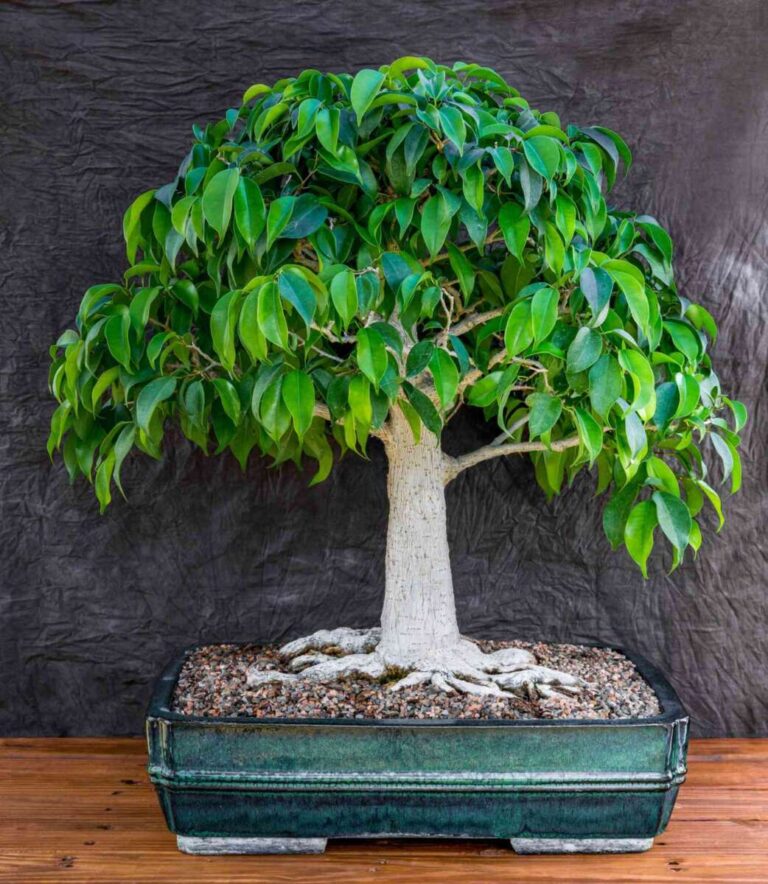
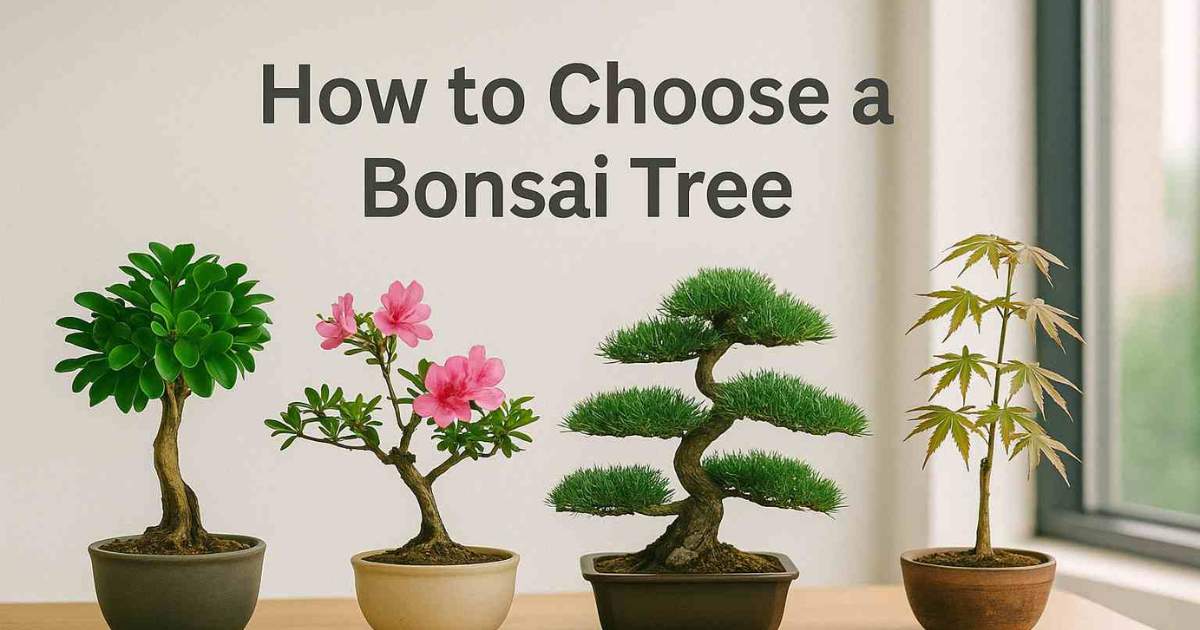
Pick a species that fits your climate and skill level. For beginners, species like ficus, juniper, and Chinese elm are forgiving. Tropical species suit indoor growing in cooler climates; temperate species need seasons and outdoor exposure.
Think about leaf size, trunk thickness, and growth rate. Small leaves look more proportional on bonsai. Fast growers need more pruning and wiring, while slow growers need patience. Choosing the right species is the first practical step in how to plant a bonsai tree.
:strip_icc()/GettyImages-598322873-409b66c4895d492eb28fde9e752d98ad.jpg)
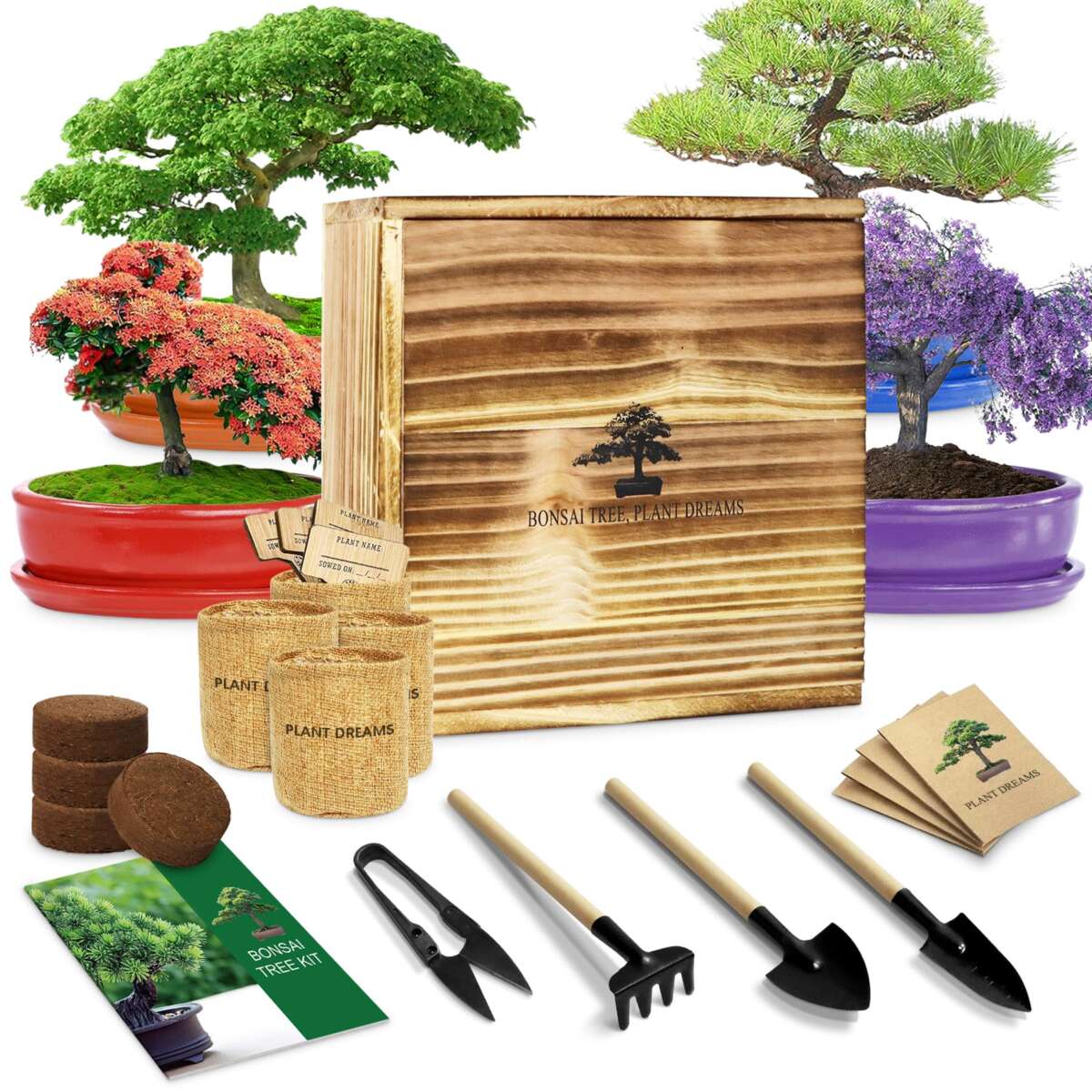
Tools and materials needed
Gathering the right tools makes how to plant a bonsai tree easier and safer. You’ll need:
- A shallow bonsai pot with drainage holes.
- Bonsai soil or a mix of akadama, pumice, and lava rock, or a well-draining alternative.
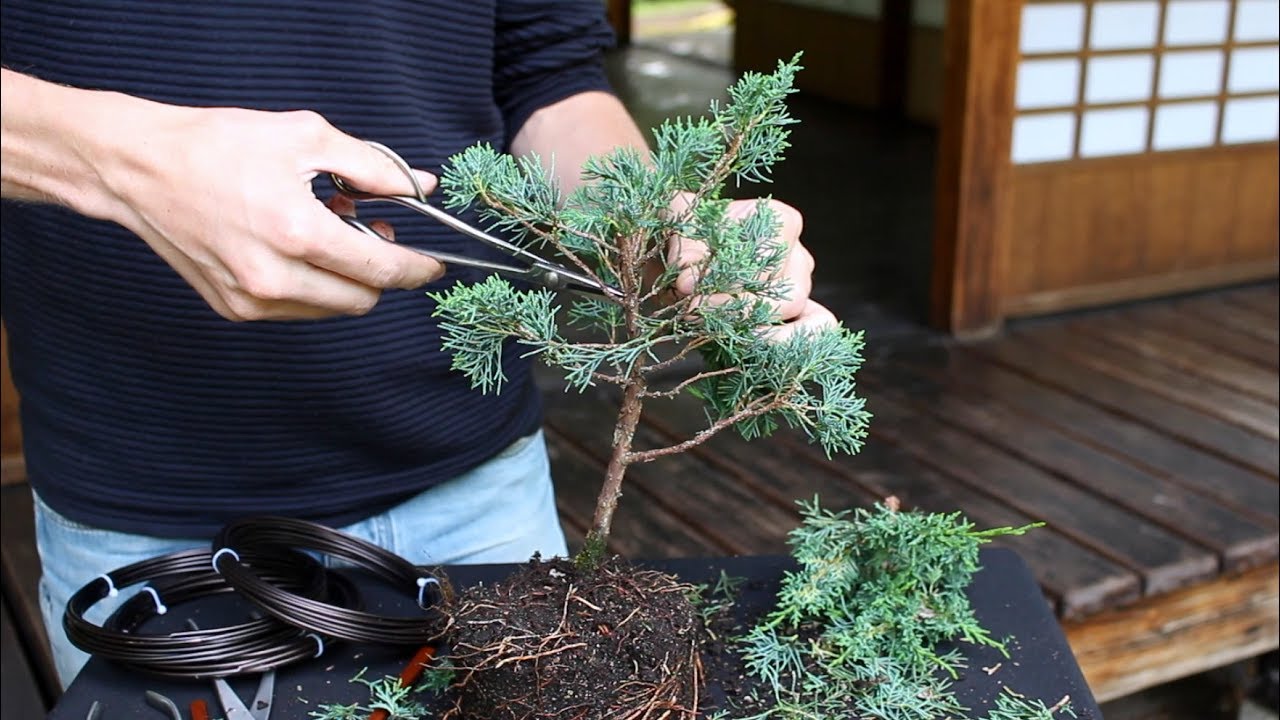
- Pruning shears and concave cutters.
- Root rake and chopstick for settling soil.
- Bonsai wire for shaping.
- Mesh to cover drainage holes and coarse grit for the base.
Good tools speed the job and minimize root damage when you plant a bonsai tree.

Step-by-step: How to plant a bonsai tree
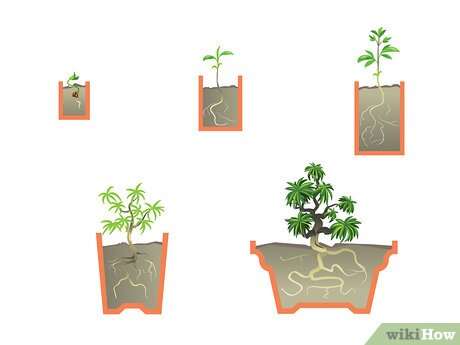
These steps cover planting a nursery-grown specimen or a field-grown seedling. Keep sentences short and follow each step carefully.
- Prepare the pot
- Clean the pot and place mesh over drainage holes.
- Add a 0.5-inch layer of coarse grit for drainage.
- Mix and test soil
- Use a fast-draining bonsai mix.
- Moisten the mix so it holds shape but crumbles easily.
- Remove the tree from its nursery pot
- Gently ease out the root ball.
- Use a root rake to loosen circling roots.
- Prune the roots
- Trim long, thick roots back by one-third.
- Remove rotten or twiggy roots.
- Position and anchor the tree
- Place the tree on the soil mound in the pot.
- Use wire through drainage holes to anchor the trunk if needed.
- Backfill with soil
- Add soil around the roots, pressing lightly with a chopstick.
- Avoid air pockets; water once partially filled to settle soil.
- Final positioning and first prune
- Adjust the angle and front of the tree before soil sets.
- Lightly prune branches to balance foliage after planting a bonsai tree.
- Water and place
- Water until you see runoff.
- Place the pot in a sheltered spot with appropriate light for your species.
Follow these steps to ensure success when you plant a bonsai tree.

Care after planting: watering, light, and feeding
Proper care in the first weeks is vital after you plant a bonsai tree. Keep soil moist but not waterlogged. Check soil daily at first; light conditions and pot size change water needs.
Place tropical bonsai in bright, indirect light indoors. Outdoor species need sun and seasonal temperature changes. Feed with a balanced, diluted fertilizer after two to three weeks once the tree shows new growth. Regular, light feeding helps recovery when you plant a bonsai tree.
PAA-style questions (short answers)
How often should I water my bonsai?
Water when the top soil feels slightly dry; this can be daily in warm months or every few days in cool weather.
Can I plant a bonsai tree in regular potting soil?
Regular potting soil holds too much water and can rot roots; use a fast-draining bonsai mix instead.
When can I repot after planting a bonsai tree?
Wait at least one growing season for recovery, unless the root ball was severely compacted—then check recovery signs before repotting.
Common problems and troubleshooting
Problems happen. Here’s how to spot and fix them when you plant a bonsai tree:
- Yellowing leaves: often overwatering or poor drainage. Adjust soil and watering.
- Leaf drop after repotting: normal stress; keep the tree stable and avoid heavy pruning.
- Pests and mites: treat early with gentle sprays or insecticidal soap.
- Root-bound roots: prune roots and repot next season to avoid decline.
Knowing common issues helps you respond quickly when you plant a bonsai tree.

Advanced training: pruning, wiring, and shaping
After the tree is established, you can shape it. Prune to create structure, not to remove all foliage. Wire branches gently and check wire often to avoid cutting into bark.
Follow growth patterns and let thickening occur before heavy cuts. Wiring timing depends on species and season. Advanced shaping is how to plant a bonsai tree into an artistic form over years, not days.
Repotting and root care
Repot every 1–5 years based on species and root growth. Spring is best for most species. When you repot, trim roots to encourage fine root development.
Use fresh bonsai soil and check root health. Repotting is part of how to plant a bonsai tree’s lifecycle; it keeps the tree vigorous and allows you to refresh the pot and style.
Frequently Asked Questions of how to plant a bonsai tree
What soil is best when I plant a bonsai tree?
Use a fast-draining bonsai mix with inorganic components like pumice and akadama or a well-draining alternative. Good drainage prevents root rot.
Can I plant a bonsai tree indoors?
Yes, but choose tropical species and provide bright light and stable temperatures to mimic outdoor conditions.
How long before my planted bonsai looks like a bonsai?
It can take several years of pruning, root work, and training to achieve a classic bonsai look. Patience is key.
Do I need a special pot to plant a bonsai tree?
A shallow pot with drainage holes is best. The pot should be proportional to the tree and support root health.
How much pruning is safe after I plant a bonsai tree?
Keep pruning light for several weeks after planting. Heavy pruning stresses the tree until it recovers established roots.
Conclusion
Planting a bonsai tree is a step-by-step craft that blends horticulture and art. Choose the right species, use well-draining soil, prune roots carefully, and follow correct watering and light routines. My best advice from experience: start simple, expect small setbacks, and learn from each tree you plant.
Ready to try? Plant a bonsai tree this weekend, watch it closely, and share your progress or questions in the comments — your next great tree starts now.

Laura Bennett is a gardening writer at MyGardenLabs who creates beginner-friendly guides focused on solving common plant care and gardening problems.