Best Tool For Clearing Overgrown Garden: Top Picks
For most yards, the best tool for clearing overgrown garden growth is a sturdy billhook machete.
If your garden now looks like a small jungle, you are not alone. Tall grass, thorny vines, bamboo, and woody weeds can hide paths and crowd healthy plants fast. I have found that the right hand tool makes this work far less tiring and gives you better control than a large power tool in tight spaces. This guide compares practical brush-clearing tools for different jobs, budgets, and strength levels.
Garden Machete for Brush Clearing

This garden machete uses a broad billhook-style blade for brush, vines, bamboo, and small branches. The curved shape can help catch flexible growth instead of letting it slide away. Its long wooden handle also gives you more reach when you work around thorny plants or dense weeds. For many homeowners, this design feels like a useful middle ground between a hand sickle and a full-size cutting tool.
I would choose it when the garden has mixed growth rather than only soft grass. The thick carbon steel blade should handle firm stems, but I would still inspect the edge and handle before every use. A machete is a cutting tool, not a chopping axe, so controlled strokes work better than wild swings. Wear eye protection, gloves, long pants, and strong shoes while using it.
Pros:
- Curved billhook blade helps catch vines and brush
- Long handle improves reach in dense growth
- Useful for bamboo, bushes, and small branches
- Carbon steel offers a firm cutting edge
- Works well in narrow garden paths and rough corners
- Can reduce bending while clearing tall plants
Cons:
- Requires careful handling and regular edge care
- May feel heavy during long clearing sessions
- Not intended for thick tree limbs or large logs
YEELOR 51-Inch Adjustable Weeding Sickle
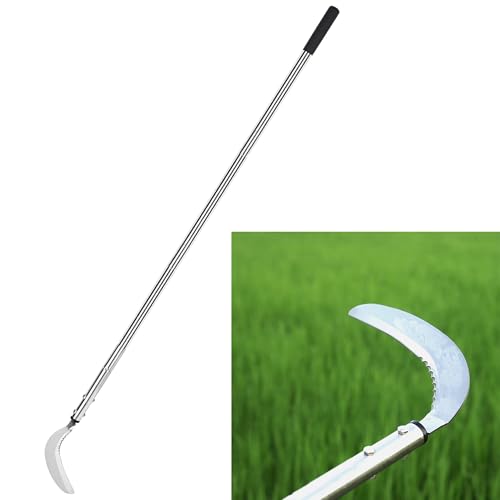
The YEELOR weeding sickle takes a different approach to garden clearing. Its 51-inch adjustable handle lets you work while standing, which can save your back when weeds cover a wide bed. The sickle shape suits grass, thin weeds, and low brush that grow between paths or under shrubs. It is a practical choice for people who want reach without carrying a motor or fuel.
I like the adjustable format for shared homes because users can set the length to suit their height and task. It should not replace a billhook when you need to cut thick woody stems. Instead, think of it as a long-handled weed cutter for light and medium growth. Use a steady pulling motion, keep the blade away from your legs, and check that every connection feels tight before work.
Pros:
- Long handle helps reduce bending
- Adjustable design suits different users
- Good reach for weeds under shrubs
- Useful for grass and thin garden growth
- Hand-powered operation needs no fuel or battery
- Helpful for maintaining paths and garden edges
Cons:
- Less suitable for thick branches and woody brush
- Long handles can feel awkward in tight spaces
- Connections need regular inspection during use
Walensee 41-Inch Double-Edged Scythe

The Walensee 41-inch double-edged scythe is built for sweeping through tall grass and soft weeds. Its two-sided blade can give you more usable cutting surface than a single-edged hand sickle. The longer frame lets you clear growth while standing, which helps when a neglected lawn or meadow has become knee-high. It also avoids the noise and fumes linked with many powered cutters.
This scythe makes the most sense when your main problem is grass, weeds, and light green stems. A scythe works best with a smooth swing from the hips rather than a hard arm chop. I recommend clearing in small sections and checking the ground for stones, wire, and hidden debris first. Like all sharp garden tools, it needs a safe storage place away from children and pets.
Pros:
- Double-edged design supports repeated cutting
- 41-inch length allows upright work
- Effective on tall grass and soft weeds
- Quiet and simple hand-powered operation
- Useful for large garden edges and open areas
- Does not require charging, fuel, or an engine
Cons:
- Needs open space for a safe swing
- Not the best choice for thick woody stems
- May require more practice than a short sickle
Walensee 39-Inch Serrated Steel Scythe
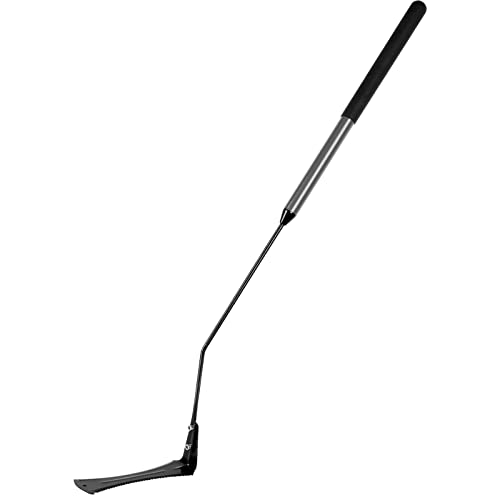
This 39-inch Walensee scythe uses a serrated steel blade to grip grass and weeds during a pull. Serrations can be useful when smooth blades slide over tangled or stringy growth. The tool is long enough for many users to work with less bending than a short hand cutter. It is especially appealing for garden borders, drainage edges, and patches that a mower cannot reach.
I see this model as a focused grass whip rather than an all-purpose brush tool. It can make quick work of tall green growth, but it is not the tool I would pick for thorny vines or thick branches. Keep the blade clean after use and remove soil or plant sap before storage. A light coat of suitable tool oil can help protect a steel blade from moisture, but follow the care directions supplied with the product.
Pros:
- Serrated edge can grip tangled grass
- 39-inch length supports standing work
- Useful around fences, beds, and ditches
- Quiet alternative to a powered trimmer
- Light enough for routine seasonal clearing
- Good fit for tall weeds and soft stems
Cons:
- Limited for brush with thick woody stems
- Serrations may need careful cleaning
- Open space is needed for safe swinging
Billhook Sickle Machete

This billhook sickle machete is aimed at users who need a compact tool for brush and weed work. Its curved carbon steel blade can hook vines, grass, and flexible stems before you cut. The smaller format gives you close control around trees, raised beds, and fence lines. It can also fit more easily in a garden shed than a long scythe.
I would reach for this style when precision matters more than reach. It can clear tangled plants near useful shrubs without creating the wide swing needed by a scythe. The trade-off is that you may need to bend or kneel more often. Use short, controlled cuts and keep your free hand well behind the blade path.
Pros:
- Compact shape offers close cutting control
- Curved billhook catches vines and flexible growth
- Carbon steel blade suits many garden tasks
- Useful around trees, beds, and fences
- Easy to carry through dense planting
- Stores more easily than a long-handled tool
Cons:
- Short reach may require more bending
- Not suited to large clearing jobs alone
- Sharp blade requires careful storage and transport
Heavy-Duty Round Eye Garden Hoe

This heavy-duty round eye hoe is different from the cutting tools above. It is made for digging, loosening soil, and working around stubborn roots after you cut the top growth. The listed head weighs 2.7 pounds and uses high-carbon rail steel with a hand-sharpened edge. Because the handle is not included, you can choose a handle length that fits your height and work style.
For a badly overgrown garden, this type of hoe can finish the job that a machete starts. I would use it to break hard soil, pull root crowns, and open ground for replanting. It is not a grass cutter, so it should not be your only clearing tool. Check the eye and handle fit often, especially when you use force against packed soil or roots.
Pros:
- Strong head suits hard soil and roots
- Useful after cutting weeds at ground level
- Hand-sharpened edge helps enter firm soil
- Heat-treated steel is made for demanding work
- Handle choice allows a custom working height
- Good tool for garden renovation and bed repair
Cons:
- Handle must be purchased separately
- Heavy head can tire smaller users
- Not designed for cutting tall grass or vines
Garden Machete with Straight Blade

This straight-blade garden machete offers a more direct cutting profile than a billhook. It can work well on tall weeds, vines, bamboo, and small branches when you want a clear forward stroke. The long wood handle gives extra reach and keeps your hands away from rough plants. It is a simple choice for trail maintenance, fence lines, and neglected garden borders.
I would compare this model with the curved machete based on the kind of growth in your yard. A straight blade feels natural for grass and upright stems, while a curved blade may hold vines more securely. Do not use either type on material that is beyond the tool’s intended size. Clear a safe path first, make measured cuts, and pause often to avoid fatigue-related mistakes.
Pros:
- Straight blade supports direct cutting strokes
- Long handle improves reach and leverage
- Useful for bamboo, weeds, vines, and brush
- Wood handle offers a traditional hand-tool feel
- Good for trail edges and fence lines
- Requires no fuel, cord, or battery
Cons:
- Needs more care near delicate plants
- May not hold loose vines as well as a billhook
- Can cause fatigue if used with hard swings
True Temper Double-Edged Grass Whip

The True Temper grass whip has a double-edged serrated steel blade and a 22-inch hardwood handle. Its shorter reach gives you close control, while the serrations can bite into tall grass and weeds. This design works well for small patches, side yards, and areas hidden behind shrubs. It is also easier to store than a long scythe.
I see this as a dependable choice for regular touch-ups rather than major land clearing. The hardwood handle can feel balanced when you work close to the ground. Since the tool is short, you may need to bend more, so I would use it for brief sessions or small sections. It is a useful part of a larger kit when a long-handled tool cannot reach neatly.
Pros:
- Double-edged serrated blade grips grass well
- Short handle offers close control
- Hardwood handle gives a solid hand-tool feel
- Good for small yards and tight spaces
- Simple design is easy to store
- Useful for quick weed and grass touch-ups
Cons:
- Short handle may cause bending
- Not ideal for wide, heavily overgrown areas
- Limited for thick brush and branches
NICOFPHY Long-Handle Weed Puller

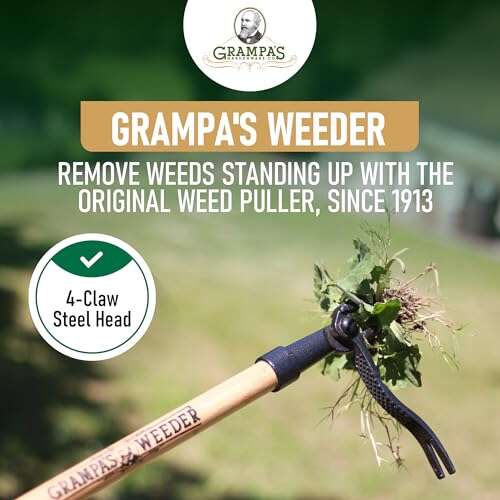
The NICOFPHY tool combines long-handle weed work with hoe and rake functions. That makes it useful after you cut down tall growth and need to pull loose weeds or smooth the soil. A long handle can help users work without kneeling, which is valuable in large beds or for gardeners with limited mobility. It is more of a cleanup and maintenance tool than a brush machete.
I would pair this tool with a sickle or machete when roots remain in the soil. It can help gather plant waste, disturb shallow roots, and prepare a bed for fresh mulch. It will not cut through thick woody stems, so trying to force it into brush can damage the tool or strain your back. Use it with light pressure and let the head do the work.
Pros:
- Long handle reduces kneeling and bending
- Useful for pulling loose weeds and roots
- Hoe and rake functions support garden cleanup
- Helpful for preparing beds after clearing
- Good option for users with limited mobility
- Can gather cut plant material from soil
Cons:
- Not made for thick brush or branches
- May need a separate cutting tool first
- Rake and hoe functions may require practice
Truper 16-Inch Serrated Grass Sickle
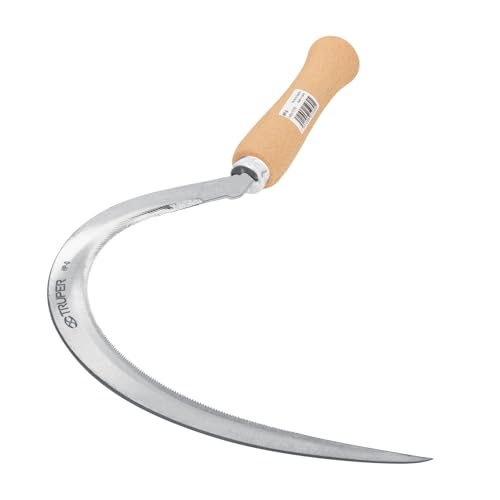
The Truper 16-inch grass sickle is a compact tool for harvesting, weeding, and light clearing. Its serrated high-carbon steel blade can help grip grass and thin stems during a pull. The lightweight wooden handle feels easy to guide in beds where a long tool would hit nearby plants. It is a sensible option for small patches and detail work.
This sickle is best when you want control and low storage needs. I would use it to clean around a vegetable plot, trim weeds beside a wall, or reach growth under a low shrub. It is not a replacement for a long-handled scythe when the garden covers a large area. Keep your cuts short, protect your hands, and store the tool with the blade covered.
Pros:
- Compact size gives precise control
- Serrated blade grips grass and thin weeds
- Lightweight wood handle is easy to guide
- Useful for small beds and tight spaces
- Stores easily in a shed or tool box
- Works for both harvesting and weed clearing
Cons:
- Short reach requires bending
- Not suitable for heavy brush
- Small blade covers less ground per stroke
How I Choose the Best Garden Clearing Tool
The best tool for clearing overgrown garden growth depends on what you need to cut. Soft grass calls for a scythe, grass whip, or sickle. Vines, bamboo, and woody weeds call for a billhook or machete. Roots and hard soil need a hoe after the top growth is gone.
I also check the size of the area. A short sickle gives better control in a small bed, while a long-handled tool saves time in an open patch. Long tools reduce bending, but they need more room for safe movement. In a crowded garden, control matters more than raw reach.
Blade care matters just as much as blade shape. Remove dirt and plant sap after use, dry the metal, and follow the maker’s advice for sharpening and oiling. A dull blade needs more force, and extra force makes slips more likely. I also inspect wood handles, fasteners, and blade joints before each session.
Safety Tips for Clearing an Overgrown Garden
Before cutting, walk through the area and look for stones, wire, glass, irrigation lines, and hidden objects. Wear safety glasses because dry stems and small chips can travel farther than expected. Strong gloves, long pants, and closed-toe shoes add useful protection. Keep children and pets out of the work zone.
Use a controlled stroke and keep your free hand away from the blade path. Do not cut toward your body. Take breaks when your grip weakens, since tired hands can lose control. For very thick brush, steep ground, or large trees, use the right powered equipment or hire a trained professional instead of forcing a hand tool.
Best For Comparison
| Best for | Why |
|---|---|
| Mixed brush and woody vines | A billhook machete gives reach, hook, and cutting power in one tool. |
| Large patches of tall grass | A long scythe clears wide areas with quiet, steady strokes. |
| Small beds and close detail work | A short sickle offers better control around plants, walls, and fences. |
My Recommendation
For most homeowners, the first Garden Machete for Brush Clearing is the best tool for clearing overgrown garden growth. Its billhook shape suits mixed brush, vines, bamboo, and small branches, while the long handle adds useful reach. I would choose the YEELOR sickle for tall weeds when bending is a concern. For large grass patches, the Walensee double-edged scythe is the better match.
If your garden needs full renewal, combine tools rather than asking one tool to do every job. Cut the tops with a machete or scythe, then use the heavy-duty hoe or NICOFPHY tool to remove roots and tidy the soil. Each option has a clear role, and current Amazon availability and pricing can change, so check the product page before buying.
FAQs Of best tool for clearing overgrown garden
What is the best tool for clearing overgrown garden brush?
A billhook machete is usually the best all-around choice for mixed brush, vines, bamboo, and small branches. Its curved blade can catch flexible growth while the long handle adds reach. Use a scythe instead when the area contains mostly tall grass and soft weeds.
Is a machete safe for garden clearing?
A machete can be safe when used with control and proper protection. Wear eye protection, gloves, long pants, and sturdy shoes. Clear the work area first, keep others away, and never swing toward your body.
Should I use a sickle or a scythe?
Choose a sickle for small beds, tight corners, and detail work. Choose a scythe for larger open areas with tall grass. A sickle gives close control, while a scythe covers more ground with each sweep.
Can a garden hoe remove overgrown weeds?
A hoe can remove shallow roots and loosen hard soil, but it does not replace a brush-cutting tool. Cut tall growth first, then use the hoe to break soil and remove root crowns. This two-step method works well when restoring an abandoned garden bed.
How do I care for a garden clearing tool?
Clean plant sap and soil from the blade after each use. Dry metal parts before storage and inspect the handle, fasteners, and edge often. Store sharp tools where children cannot reach them, preferably with a cover on the blade.
Final Verdict: Which Should You Buy?
The Garden Machete for Brush Clearing is the best tool for clearing overgrown garden growth because it handles grass, vines, bamboo, and light brush with good reach. Choose a scythe for open grass or a sickle for tight beds.
Match the blade to the growth, work in short sessions, and protect yourself. With the right tool, even a wild garden can become a clear, useful space again.

Laura Bennett is a gardening writer at MyGardenLabs who creates beginner-friendly guides focused on solving common plant care and gardening problems.